
process of tempered glass
The Versatility of the 36-Inch Level with Ruler A Tool for Precision and Measurement In the realm of construction and woodworking, precision is paramount. Among the many tools utilized by professionals and DIY enthusiasts alike, the 36-inch level with a ruler stands out for its versatility and utility. This straightforward yet instrumental tool combines a leveling mechanism with a measuring scale, making it invaluable for a variety of projects. At its core, a level is designed to determine whether a surface is horizontal (level) or vertical (plumb). The 36-inch length embodies a size that balances portability and functionality. It is long enough to provide accurate measurements over a broad area, yet compact enough to be easily transported and stored. The addition of a ruler further enhances its utility, making it an essential companion for tasks that require both leveling and measuring. The Versatility of the 36-Inch Level with Ruler A Tool for Precision and Measurement In flooring projects, achieving a level surface is crucial to prevent issues such as warping, bulging, or cracking over time. By placing the 36-inch level on the floor and checking for levelness, installers can make necessary adjustments before laying down tiles or hardwood. The ruler can assist in measuring distances between floor joists or marking out areas for specific flooring designs, ensuring both beauty and functionality. 36 inch level with ruler The versatility of a 36-inch level with a ruler extends beyond construction and into other fields as well. Interior designers and architects often utilize levels to ensure that artworks, fixtures, and furniture are properly aligned. Achieving a balanced aesthetic in a room can be challenging; thus, having a reliable tool to assist in this process makes it easier to create visually pleasing environments. Moreover, the tool’s practicality isn’t limited to professionals. Hobbyists engaged in DIY projects at home find the level/ruler combination immensely helpful. Whether assembling furniture, hanging shelves, or even crafting, the dual functionality of this tool simplifies tasks that otherwise might require multiple instruments. The ruler acts as a quick reference for measurements, saving time and reducing frustration. Additionally, one cannot overlook the importance of quality in a 36-inch level. While these tools are typically made from durable materials such as aluminum or composite materials, factors like bubble vial accuracy and ruler markings impact their effectiveness. Investing in a reliable level ensures consistent performance and accuracy, which is essential for both professional and leisurely projects. For those who frequently find themselves in the outdoors—builders, landscapers, and even surveyors—the level is indispensable. It assists in grading land for drainage, aligning fences, and undertaking various landscaping feats. The 36-inch length allows for checking levelness over greater distances, which is particularly useful in expansive areas where smaller tools might fall short. In conclusion, the 36-inch level with a ruler is more than just a simple tool; it is a symbol of precision and efficiency in measurement. From construction to interior design, from hobbyists’ workshops to professional job sites, this tool proves its worth in a multitude of scenarios. Its ability to combine leveling and measuring into one compact unit not only enhances productivity but also assures that projects are completed with accuracy and care. Therefore, it is no surprise that this particular level has earned its place as a staple in the toolboxes of tradespeople and DIY enthusiasts alike. Whether you are a seasoned professional or a newcomer to home improvement, having a 36-inch level with a ruler can undoubtedly make a positive difference in the quality of your work.
about
process of tempered glass
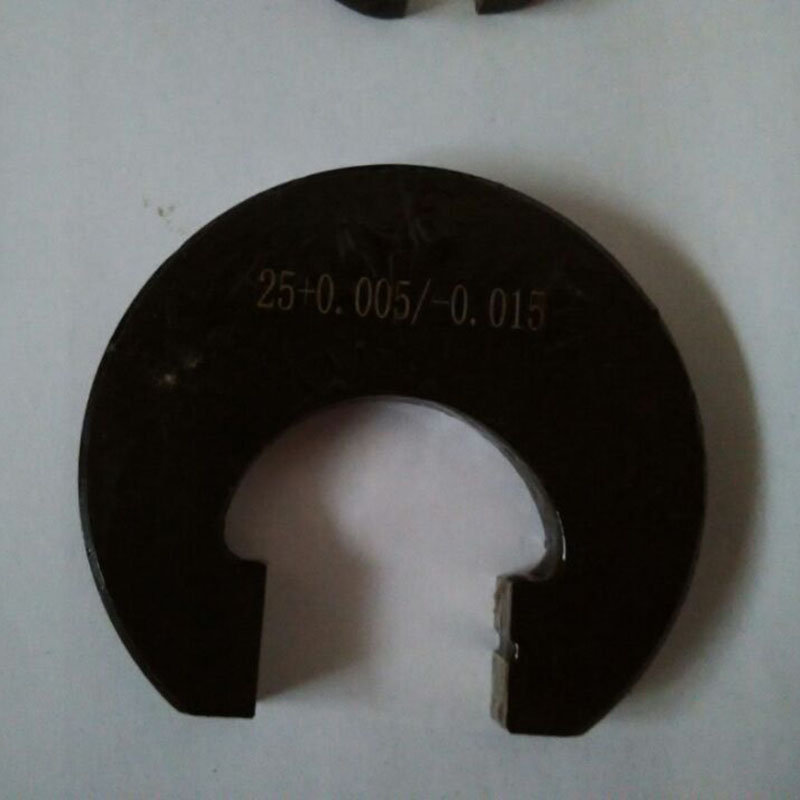
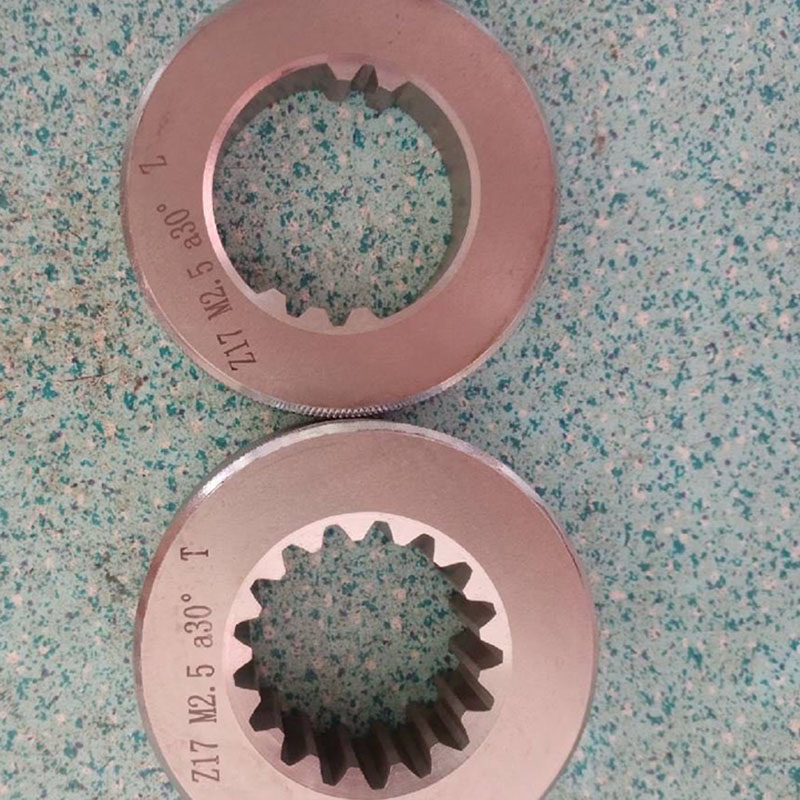
Understanding Steel Ring Gauges Precision Tools in Measurement In today’s manufacturing and engineering sectors, precision is paramount. One tool that has become indispensable for ensuring accuracy in measurements is the steel ring gauge. As simple as they may appear, these gauges play a critical role in various industrial applications, particularly in the quality control processes of products that require precise dimensions. This article seeks to explore the function, types, and importance of steel ring gauges in modern manufacturing. What is a Steel Ring Gauge? A steel ring gauge is a type of go/no-go gauge used to measure the dimensions of machined parts, particularly the external diameters of cylindrical components. Typically made from high-quality steel, these gauges can withstand abrasion and deformation, maintaining their precise dimensions under multiple uses. They are crafted to high tolerances, ensuring that any manufactured part can be accurately assessed against the standard dimensions defined by the gauge. Functionality The primary function of a steel ring gauge is to ensure that a manufactured component meets specific size and tolerance requirements. The gauge is designed with two distinct parts the 'go' ring and the 'no-go' ring. The 'go' ring should fit the part perfectly if it meets the required dimensions, indicating that the part is within specifications. Conversely, if the 'no-go' ring fits onto the part, this signifies that the part exceeds the allowed dimensions and is hence unacceptable. Using steel ring gauges is straightforward. An operator will first check the component against the 'go' ring. If the component fits, they will then check against the 'no-go' ring. This binary assessment simplifies the quality control process, allowing for swift and accurate measurements while minimizing the risk of human error. Types of Steel Ring Gauges Steel ring gauges come in several types, tailored for different measurement requirements. The most common forms include 1. Plain Ring Gauges Used for measuring external diameters with straightforward go/no-go functionality. 2. Thread Ring Gauges Specifically designed for measuring the external threads on components, ensuring they meet the required specifications. 3. Tapered Ring Gauges Employed for situations where components possess conical shapes, providing the ability to measure angles as well as diameters. steel ring gauge 4. Combination Gauges These versatile tools can measure multiple aspects of a component, including both internal and external dimensions, providing a comprehensive assessment. Each type of gauge serves a unique purpose and is selected based on the specific requirements of the manufacturing process. Importance of Steel Ring Gauges The implications of using steel ring gauges in manufacturing extend far beyond mere measurements. They are vital for several reasons 1. Quality Assurance Steel ring gauges provide a reliable benchmark for quality control, helping manufacturers produce components that meet industry standards. This ensures the end product is functional, safe, and reliable. 2. Cost Efficiency By facilitating immediate detection of out-of-spec components, these gauges reduce waste and save time. Manufacturers avoid the costs associated with reworking or scrapping defective parts. 3. Consistency and Reliability Regular use of steel ring gauges contributes to the consistency of production. Components manufactured over time will adhere to the established dimensions, promoting uniformity in large production runs. 4. Compliance with Standards Many industries are subject to strict regulations and standards. Using calibrated steel ring gauges ensures compliance with these standards, protecting manufacturers from legal challenges and enhancing their market reputation. Conclusion In conclusion, steel ring gauges are a cornerstone of precision measurement in manufacturing. Their simple yet effective design allows for the accurate assessment of components, ensuring quality and compliance with stringent industry standards. As industries continue to evolve, the role of steel ring gauges will remain pivotal, underscoring the importance of precision in the quest for manufacturing excellence. By investing in high-quality measuring tools like steel ring gauges, manufacturers not only enhance their operational efficiency but also ensure the production of superior products.
-

High quality industrial productsagement

High quality industrial products
View Details -

Meet the diverse needs of customers

Meet the diverse needs of customers
View Details -

Strict quality control

Strict quality control
View Details -

Top raw materials

Top raw materials
View Details -

Trusted supplier

Trusted supplier
View Details
Our application

news and information
Verificación de roscas con calibres Go y No Go en mediciones de calidad
Uso de calibres de rosca tipo Go y No-Go en la industria En la fabricación y mantenimiento de compon

V Frames - Innovative Video Frame Solutions for Your Visual Needs
Understanding V-Frames in Video Production In the world of video production, the term V-frames refer
Ustawiony wskaźnik
Zestaw wskaźników pinowych – niezastąpione narzędzie w precyzyjnym pomiarze W dzisiejszym świecie, g
 English